
Jumbo Filter Cartridge Price in Pakistan
What Is a Jumbo Filter Cartridge?
These are jumbo cartridges — the thick 20-inch ones, what customers in the local market call mota. They fit commercial water filters, commercial RO plants, and whole-house systems running off the main line.
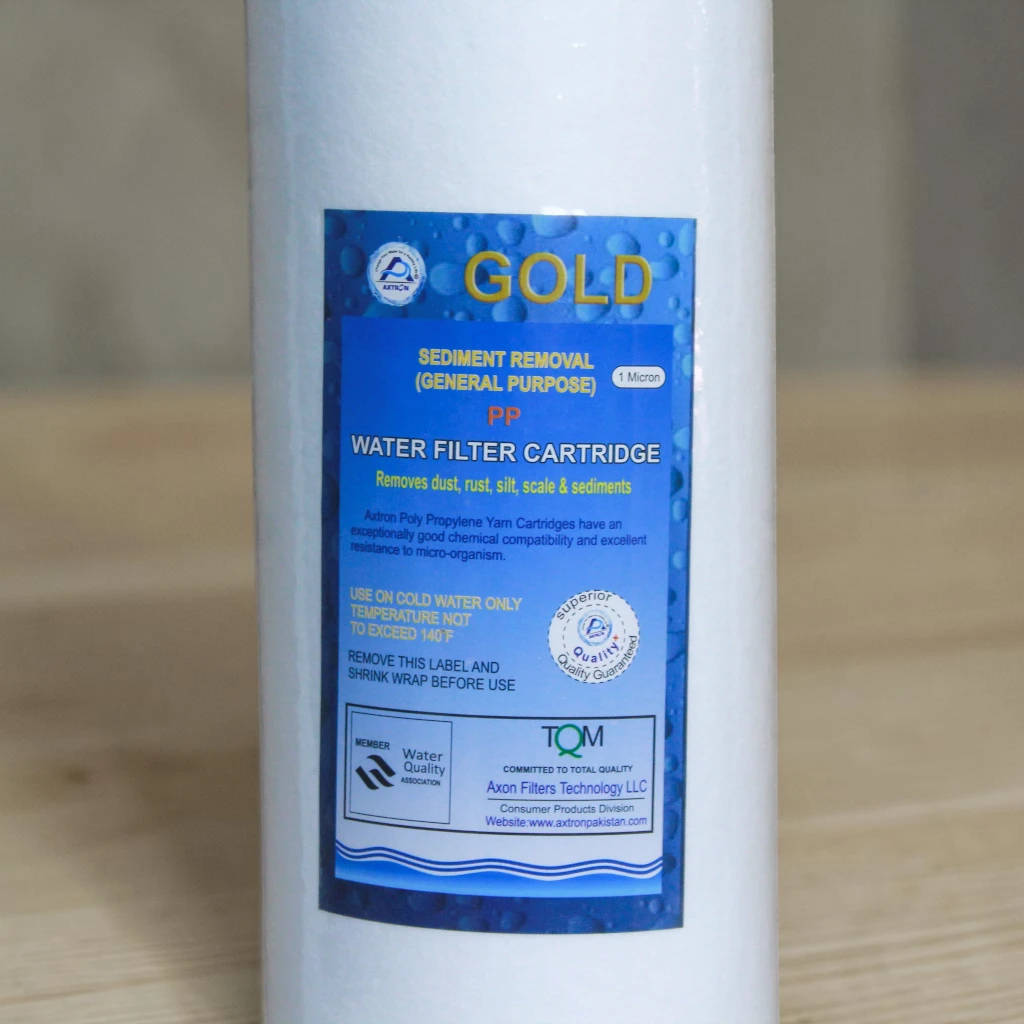
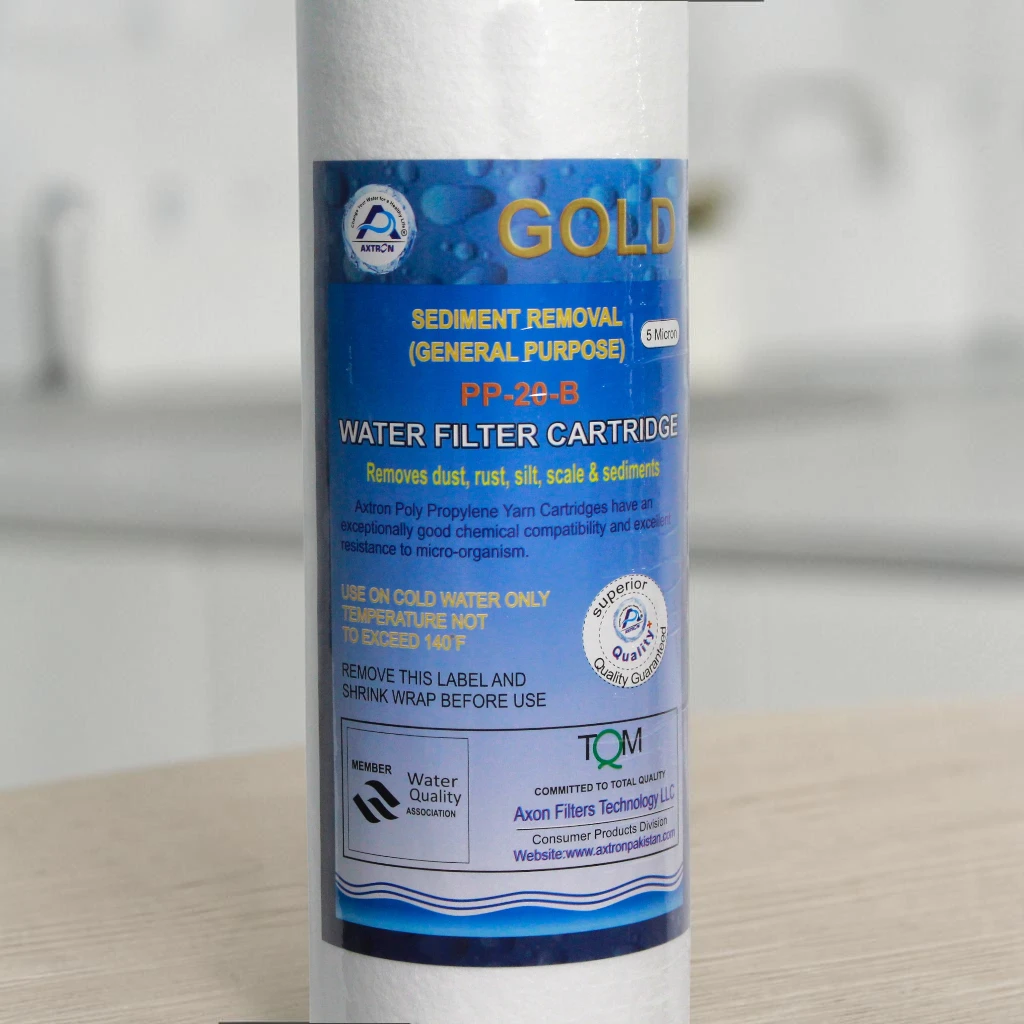
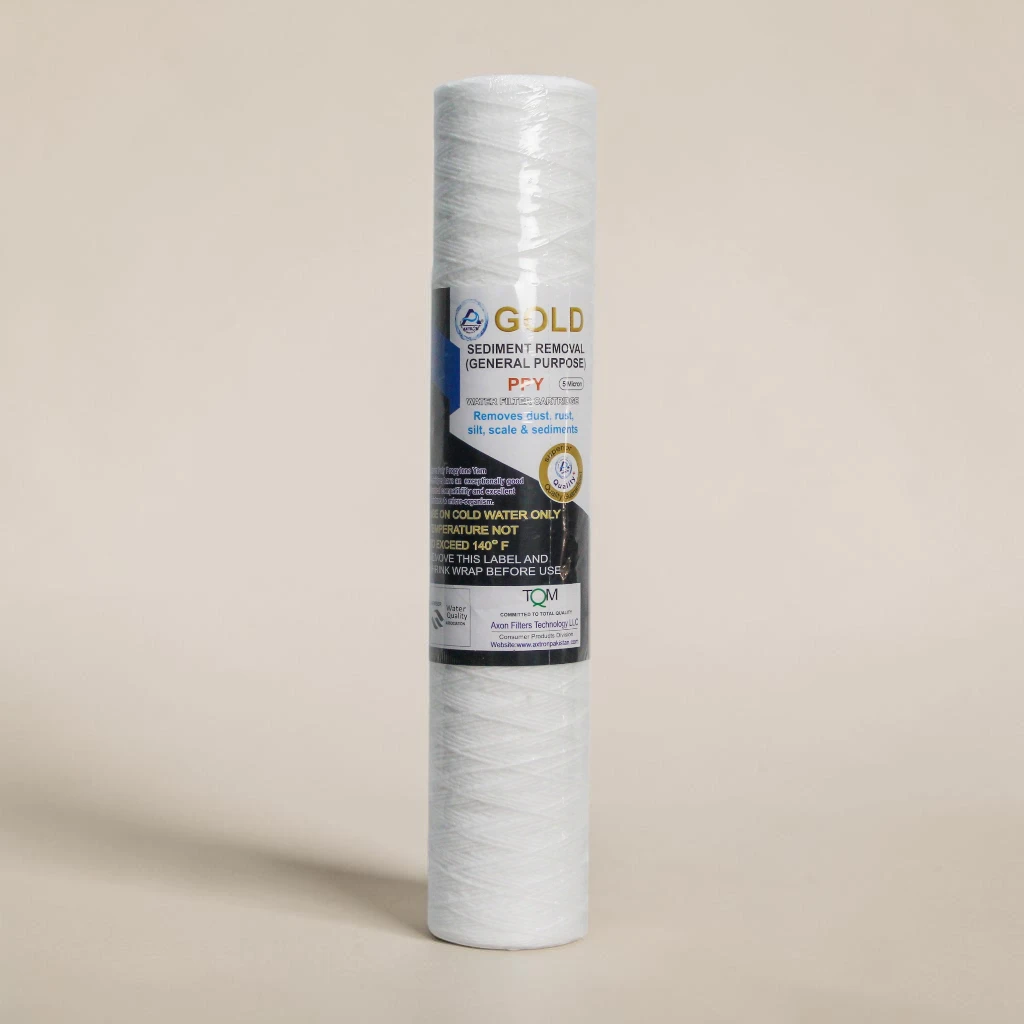
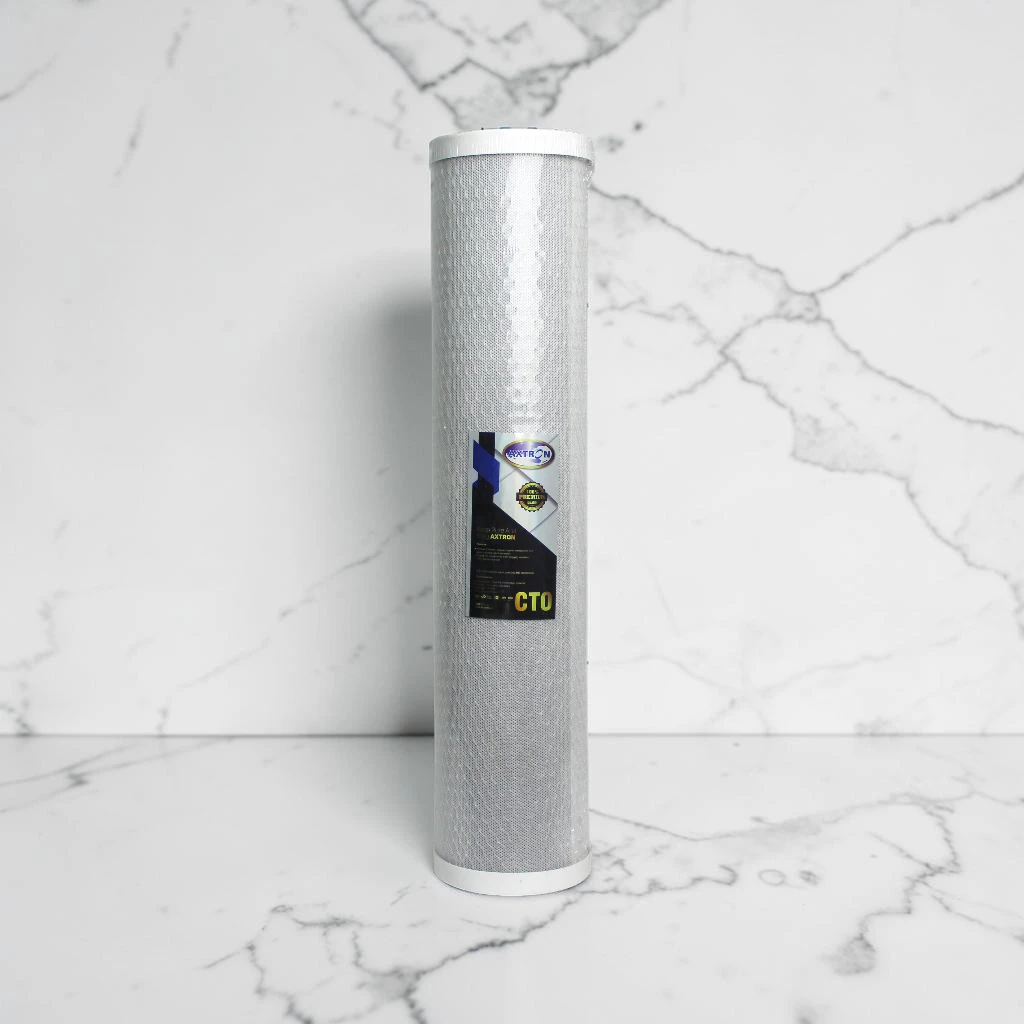
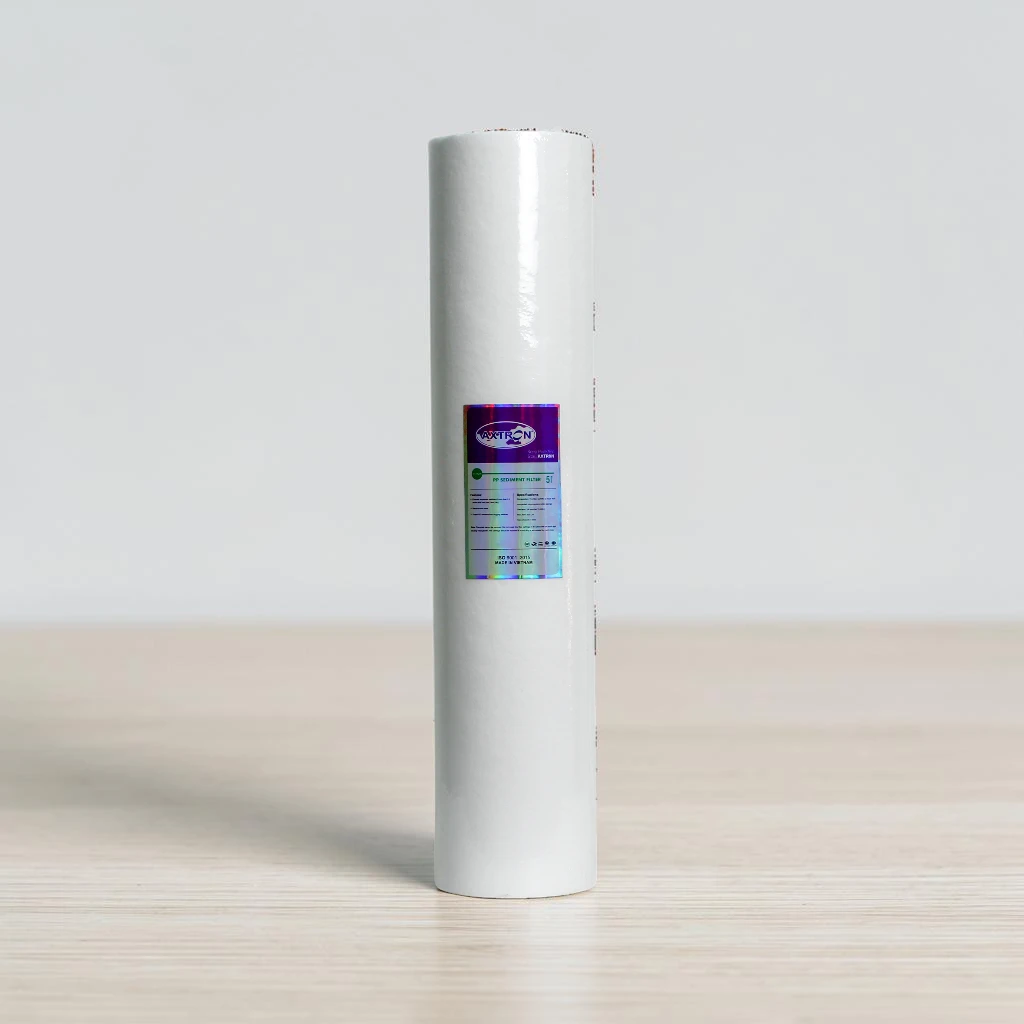
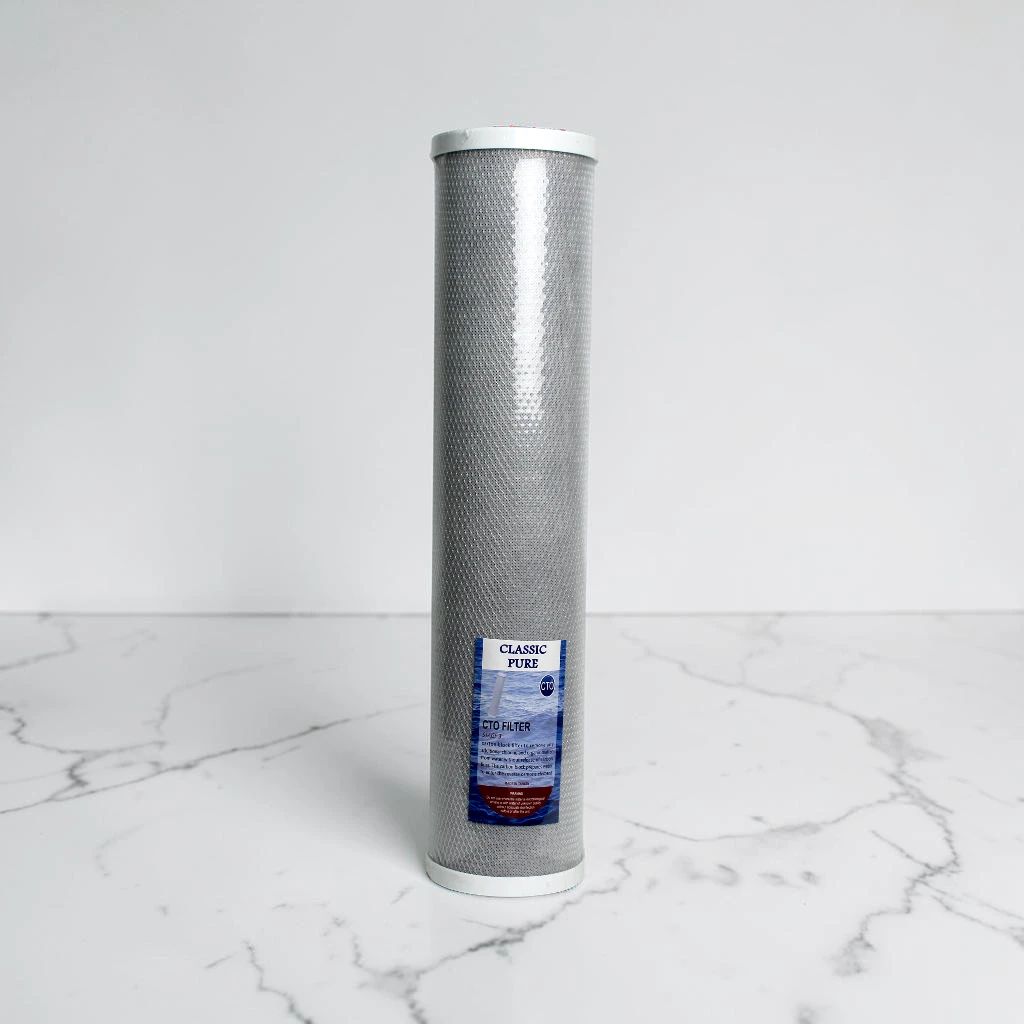
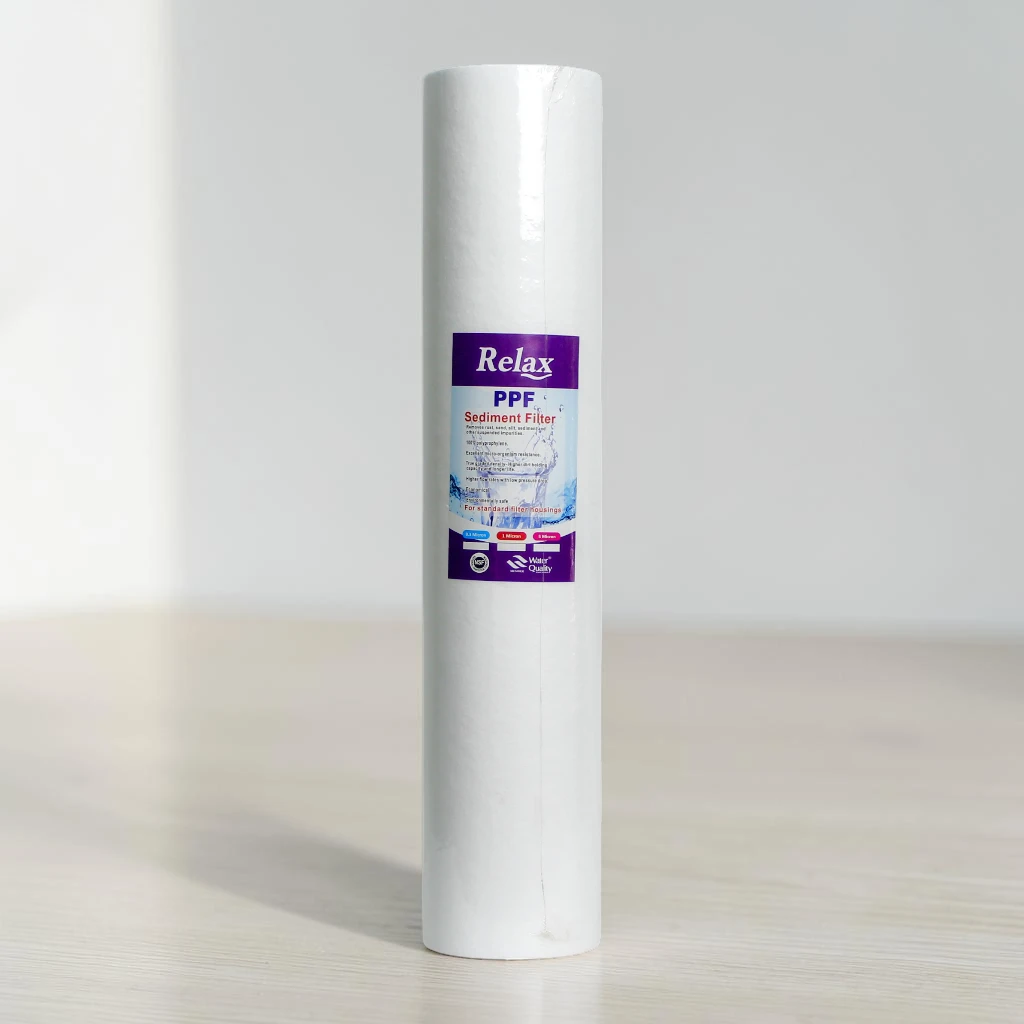
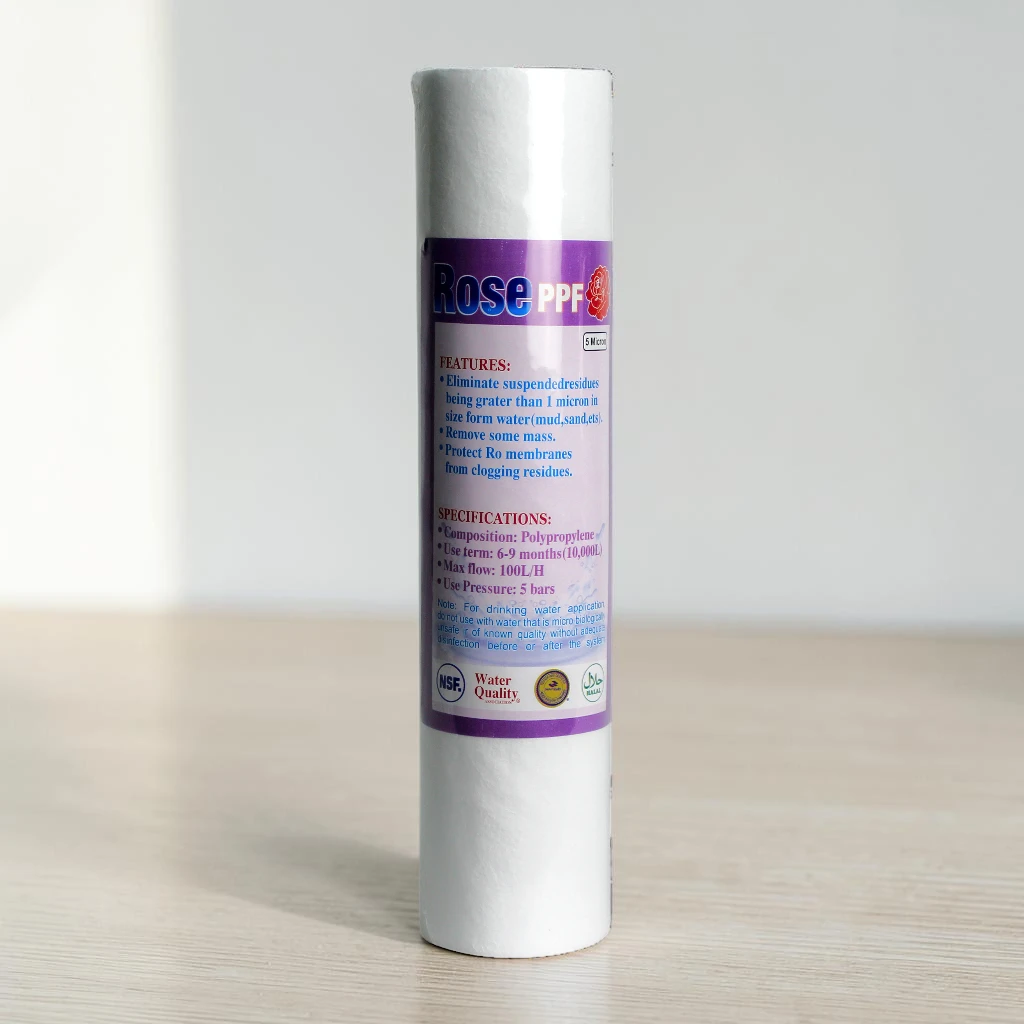
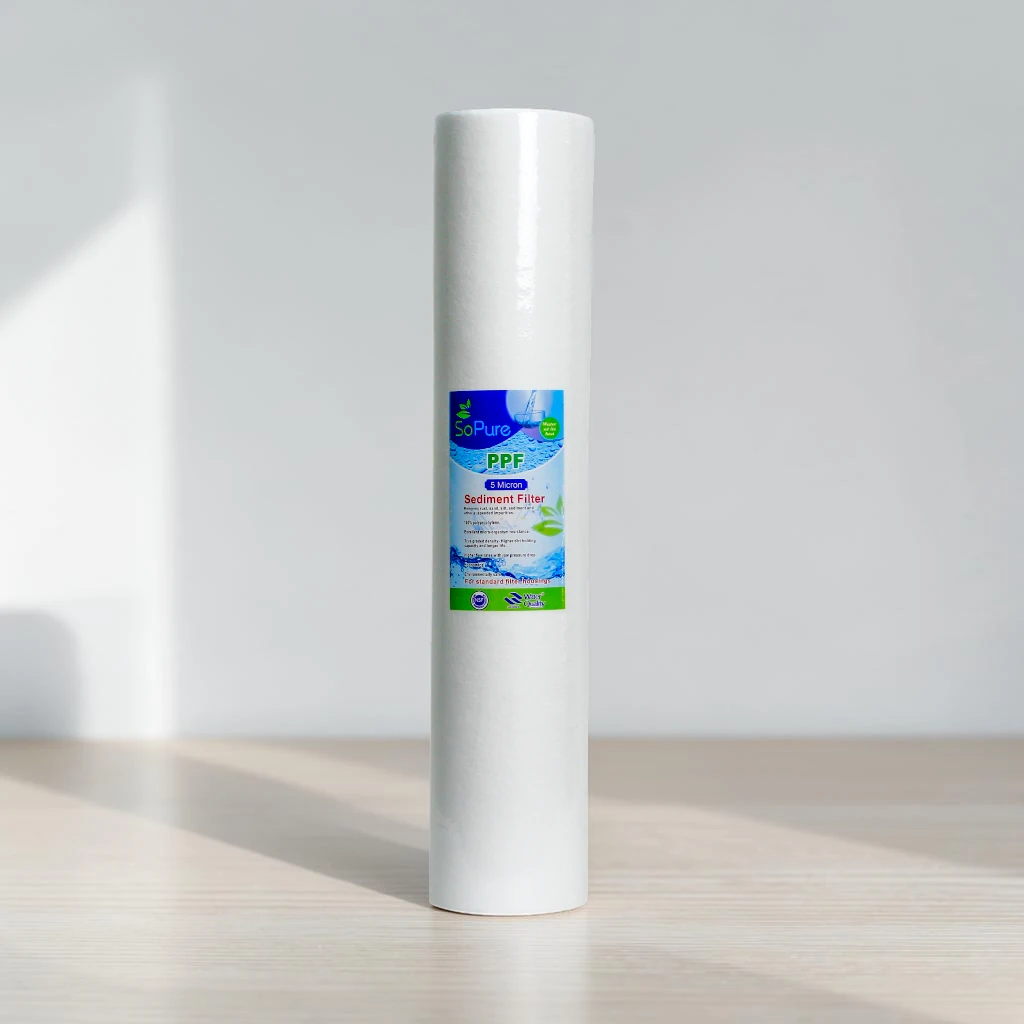
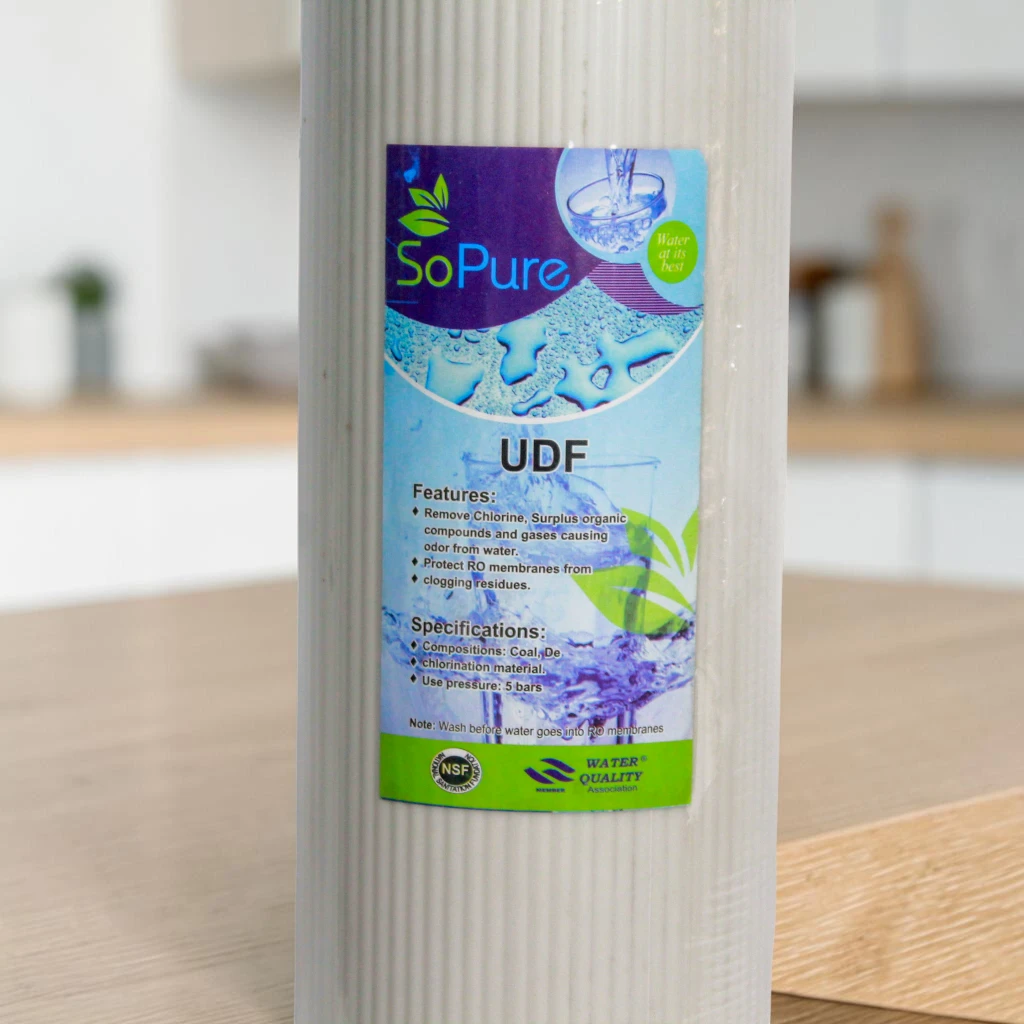
Jumbo is not just a bigger version of a slim cartridge. It holds far more filtration material, handles much higher flow, and lasts considerably longer before clogging. That is why it suits factories, schools, madrassas, large offices, housing societies and homes of 10 marla and above.
Axtron Pakistan has supplied water treatment equipment across the country since 2005.
Understanding Jumbo PPF Weight: What the Grams Actually Mean
This is the part almost nobody explains, and it is the most important thing to understand before you buy.
Jumbo PPF sediment cartridges are sold by weight — 550 gram, 600 gram, 650 gram, 700 gram, 800 gram, 1000 gram. All of them are 20 inches long. All of them fit any standard jumbo housing. So why the different weights, and why the different prices?
The grams tell you how much filtration material is inside.
A PPF cartridge is made by spinning polypropylene into layers. More material means more layers, which means a physically thicker filter wall:
| Weight | Size |
|---|---|
| 550 gram | 10 mm |
| 600 gram | 10.2 mm |
| 650 gram | 10.4 mm |
| 700 gram | 10.6 mm |
| 800 gram | larger again |
| 1000 gram | maximum |
More material does two things.
It filters finer. More layers means tighter spacing between the fibres, so smaller particles get caught. A 550 gram cartridge filters down to 5 micron. A 1000 gram cartridge filters down to 1 micron. The finer ratings — 1 micron and 0.3 micron — come from the heavier cartridges, because you need the material density to achieve them.
It lasts longer. A cartridge clogs when its layers fill with sediment. More layers means more capacity before that happens. A 1000 gram cartridge on the same water will run considerably longer than a 550 gram one.
Every weight fits the same housing. This is worth repeating because customers often assume a heavier cartridge needs a different housing. It does not. You can move between weights freely in the same system.
So which should you buy? If your water is reasonably clean and you want the lowest cost per cartridge, a lighter weight at 5 micron is sensible. If your water carries heavy sediment, or your system runs all day, or you want fewer change-outs on a premises where maintenance is awkward, the heavier weights cost more up front and usually work out cheaper over a year.
Tell us your water and how hard the system runs, and we will tell you which weight fits.
Micron Ratings in Jumbo
5 Micron. The standard. Catches sand, silt, dirt and rust. Lasts longest before clogging because the openings are larger.
1 Micron. Finer. Catches particles a 5 micron passes through. Comes from the heavier-weight cartridges.
0.3 Micron. The finest we supply in jumbo. Maximum protection for whatever sits behind it — RO membranes in particular.
A practical warning. On a commercial system, finer is not automatically better. A 0.3 micron cartridge on heavily silted water will block fast, and a blocked cartridge filters nothing and restricts your flow. Many commercial customers get better results from 5 micron changed on schedule than from 0.3 micron left in too long.
Where you genuinely need fine filtration, a common setup is two stages — a coarser cartridge first to take the bulk sediment, then a finer one behind it. The first protects the second, and the pair lasts longer than a single fine cartridge on its own.
Jumbo Carbon: GAC and CTO
Sediment is only half the job. Carbon handles what PPF cannot.
GAC — Granular Activated Carbon. Loose carbon granules, high flow. Removes chlorine, chemical residue and odour. Also sold as UDF, which is the same cartridge under a different name.
CTO — Carbon Block. Compressed activated carbon. Polishes taste and catches finer particles the sediment stage missed.
On a typical commercial setup, sediment comes first, then carbon. The sediment stage protects the carbon from clogging with dirt it was never meant to handle.
Jumbo or Slim? Check Before You Order
Both are 20 inches long. This is where most ordering mistakes happen.
Jumbo (mota) — the thick cartridges on this page. Around 4.5 inches across. Used in big blue housings on commercial systems, whole-house main lines and commercial RO plants.
Slim (patla) — narrow, roughly 2.5 inches across. Used in semi commercial water filters and 200 to 1200 GPD RO plants.
They do not interchange. A slim cartridge dropped into a jumbo housing sits loose, and water flows around it instead of through it — the system looks like it is working while filtering nothing.
How to check: look at the housing, not the cartridge. A thick blue barrel you need two hands for is jumbo. Something narrow enough to close one hand around is slim. Unsure? Send us a photo on WhatsApp before ordering.
When to Replace
Replacement intervals printed on jumbo cartridges are usually one to three months. That is not what we see in Pakistani water, particularly on systems running all day.
PPF sediment cartridges — 15 to 30 days. A heavier cartridge on cleaner water reaches the longer end. A lighter cartridge on heavy sediment will be closer to 15 days, sometimes less.
Judge by the system, not the calendar. On jumbo housings you usually cannot see the cartridge, so watch flow instead. When pressure or output drops noticeably, the sediment stage is loading up.
GAC, UDF and CTO carbon cartridges — 3 months maximum. Exhausted carbon can release what it has collected back into the water, which is why an overdue cartridge causes a smell.
Put it on a maintenance schedule. On a factory, school or housing society, cartridge changes get forgotten until someone complains about the water. A standing reminder costs nothing and protects far more expensive equipment downstream.
If the system has been standing unused — a holiday closure, a seasonal shutdown — replace the cartridges before restarting. Water left in the housings goes stagnant and carries that smell into everything drawn afterwards. Cartridges left dry stop filtering properly even though they look fine.
Not Sure What You Need?
Most customers who come to our shop cannot name the cartridge, and that is completely normal. We ask three things:
Is your housing thick or narrow? Thick means jumbo, and this page is where you are. Narrow means slim.
How many housings does the system have? That tells us the stages and which cartridge goes where.
What is your water like, and how much do you use? Heavy sediment and heavy use point to heavier weights.
Send us a photo of your system on WhatsApp and we will tell you exactly what to order, including which weight suits your situation.
Delivery and Service
Nationwide delivery with cash on delivery available. Prices for jumbo cartridges start from Rs. 1,100.
In Multan, Lahore and Bahawalpur we have offices and service teams who handle cartridge changes and commercial servicing on site, including on systems bought elsewhere. Outside these cities we deliver and guide you by phone or WhatsApp, and we post servicing videos on our Facebook and Instagram pages.
For bulk, dealer and wholesale enquiries, call +92 302 163 5555 or message us on WhatsApp.
Frequently Asked Questions
What is a jumbo filter cartridge?
A thick 20-inch cartridge, around 4.5 inches across, used in big blue housings on commercial water filters, commercial RO plants and whole-house systems. Local market calls it mota.
What is the difference between 550 gram and 1000 gram PPF?
The grams tell you how much polypropylene is inside. More material means more layers, a physically thicker filter, finer filtration and longer life before clogging. 550 gram filters to 5 micron; 1000 gram filters to 1 micron.
Will a 1000 gram cartridge fit my housing?
Yes. All jumbo weights are 20 inches long and fit any standard jumbo housing. You can change weight without changing anything else in your system.
Which weight should I buy?
Lighter weights at 5 micron for reasonably clean water and lowest cost per cartridge. Heavier weights where sediment is heavy, the system runs all day, or you want fewer change-outs. Tell us your water and usage and we will advise.
Is a lower micron rating always better?
No. On heavily silted water a 0.3 micron cartridge blocks quickly, and a blocked cartridge restricts flow and filters nothing. Many commercial users do better with 5 micron changed on schedule.
What is the difference between jumbo and slim cartridges?
Both are 20 inches long. Jumbo is thick, slim is narrow. They do not interchange — a slim cartridge in a jumbo housing lets water bypass it completely.
What is the difference between GAC, UDF and CTO?
GAC and UDF are the same thing — granular activated carbon for chlorine and odour. CTO is compressed carbon block that polishes taste and catches finer particles.
How often should I change a jumbo PPF?
Every 15 to 30 days depending on weight, water quality and how hard the system runs. On jumbo housings you usually cannot see the cartridge, so watch for a drop in flow or pressure.
Why has my water flow dropped?
Almost always the sediment cartridge. It is the cheapest part in the system and the first thing to check before looking at pumps or membranes.
Do you supply jumbo cartridges for other brands?
Yes. Standard 20-inch jumbo fittings cover most commercial and whole-house systems in Pakistan. Send a photo if you are unsure which you need.